
Compression sofas have become a popular choice due to their space-saving design, easy transport, and quick setup. But can a compressed sofa without a traditional wood or steel frame provide the same level of comfort and durability?
Compression sofas use high-density sponge and advanced compression technology to ensure durability and comfort. Their lifespan exceeds 15 years when made with high-quality materials.
Unlike traditional sofas with wood or metal frames, compression sofas rely on high-density sponge for structural support. Their reliability depends on sponge density, fabric quality, and compression technology.Let’s explore whether compression couches are a good option.
Is the Quality of the Compressed Sofa Good?
A common misconception is that compression sofas lack durability due to their frameless design. However, their quality is determined by the density of the sponge and the strength of the fabric.
High-quality compression sofas use high-density sponge (≥30D) and durable fabrics like corduroy, wool velvet, and cotton-linen blends. These materials ensure stability, comfort, and longevity.
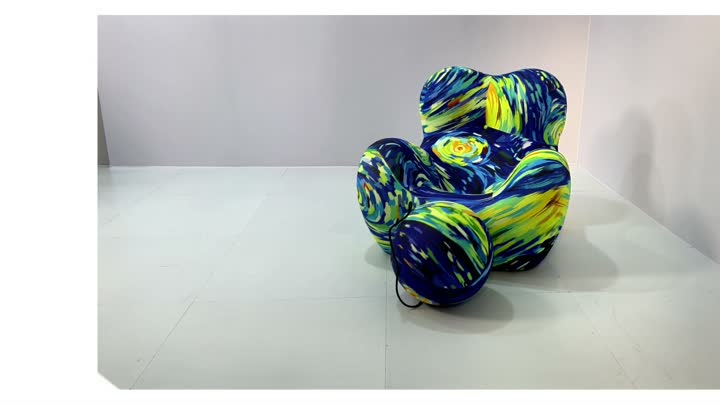
Compression Sofa Product Demonstration
Key Factors That Influence Compression Sofa Quality
1. High-Density Sponge Replaces Traditional Frames
Why? Unlike foam, high-density sponge (≥30D) provides structural integrity without the need for wood or metal.
Benefit: The sofa maintains its shape for 15+ years without sagging or deformation.
2. Fabric Strength Determines Longevity
Durable options: Corduroy, wool velvet, and cotton-linen blends offer superior wear resistance.
Poor choices: Thin, low-quality synthetic fabrics reduce lifespan.
3. Advanced Compression Technology Preserves Quality
Why? Proper vacuum compression ensures the sponge retains its resilience after unpacking.
Benefit: Prevents air gaps and uneven expansion.
Quality Factor
Best Standard
What to Watch Out For
Sponge Density
≥30D high-density sponge
Low-density sponge (<30D) that deforms easily
Fabric
Corduroy, wool velvet, cotton-linen
Thin synthetic fabrics that wear out fast
Compression Technology
Advanced vacuum sealing
Poor compression leading to uneven shape
Verdict: Compression sofas match or exceed traditional sofas in quality and comfort, but material selection is key.
What Are the Advantages and Disadvantages of Compression Sofas?
Compression sofas offer unique benefits, but they also have some trade-offs. Understanding these helps buyers weigh their options before making a purchase.
Compression sofas offer convenience, easy transport, and quick setup. However, some models may have initial firmness, limited customization, or take time to fully expand.
Pros & Cons of Compression Sofas
✅ Advantages
Easy Transport & Storage → Comes in compact boxes, reducing shipping costs.
Unpacking → Allow full foam recovery before use.
Affordable Shipping → Takes up 70-80% less space than traditional sofas.
Durable When Made with High-Quality Materials → Similar lifespan to conventional sofas.
❌ Disadvantages
Initial Firmness → Foam may need 24-48 hours to fully expand and soften.
Limited Customization → Fewer design variations than traditional sofas.
Compression & Expansion Cycle Limits → Frequent compression-expansion cycles can weaken the structure over time.
Feature
Advantage
Disadvantage
Transport & Setup
Compact packaging, easy to deliver
Needs time to fully expand
Comfort & Durability
High-quality foam & frames last long
Low-end models may sag quickly
Customization
Pre-designed styles for quick purchase
Fewer custom options
Verdict: Compression sofas provide great convenience, but buyers should choose high-quality models to avoid durability issues.
How to Buy a High-Quality Compression Sofa?
Not all compression sofas are built the same. How do you ensure you’re choosing a high-quality, long-lasting model?
To buy a high-quality compression sofa, look for high-density sponge (≥30D), durable fabric, and reputable compression technology. Choosing a trusted brand ensures long-term comfort.
Buying Guide for Compression Sofas
1. Choose a High-Density Sponge Core
Best option: 30D-50D sponge for durability.
Avoid: Sponge density below 30D, which loses shape quickly.
2. Select Durable Upholstery Fabric
Recommended: Corduroy, wool velvet, cotton-linen blends.
Avoid: Thin synthetic fabrics prone to tearing.
3. Ensure Proper Compression Technology
Best choice: Advanced vacuum sealing that prevents uneven expansion.
Avoid: Poor compression methods that cause permanent shape defects.
4. Verify Brand Reputation & Warranty
Look for brands offering 5-10 years of warranty.
Check customer reviews for real feedback on durability.
Factor
Best Choice
What to Avoid
Sponge
30D-50D high-density sponge
Below 30D (loses shape quickly)
Fabric
Corduroy, wool velvet, cotton-linen
Thin synthetic materials
Compression Tech
Advanced vacuum-sealing
Poor compression, uneven expansion
Verdict: Investing in high-quality materials and reliable compression technology ensures a long-lasting and comfortable compression sofa.
Conclusion
Compression sofas are a reliable alternative to traditional sofas when made with high-density sponge and durable fabric. Their lifespan exceeds 15 years with the right materials and technology. However, buyers should carefully check density, fabric strength, and compression quality to ensure they choose a high-quality model.